
Southaven Garage Door Guide
When a Spring Goes in Cold Weather Around Southaven
Southaven's 1980-2001 housing stock is hitting the age where torsion springs fail, and cold-weather metal fatigue makes winter mornings the worst time to find out.
- Licensed & Insured
- Same-Area Service Calls
- Upfront Pricing
What Most People Get Wrong
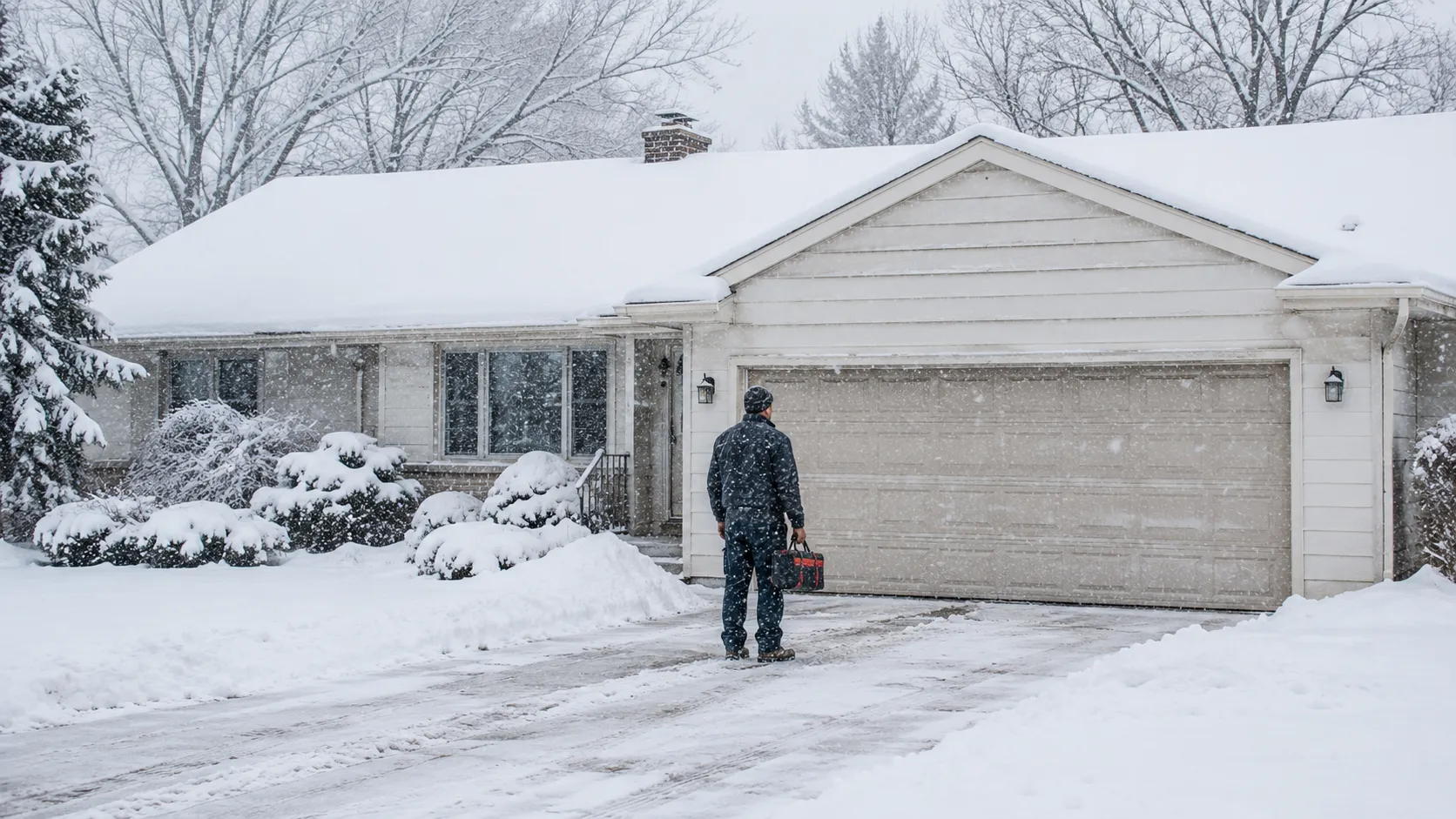
Most homeowners here assume a spring that snaps in January is a fluke, bad luck, one cold morning that happened to be the last straw. It isn't luck. Most houses in Southaven and the surrounding areas went up between 1980 and 2001, with a median build year around 1993.
That means a huge share of torsion springs in this service area are original equipment, now anywhere from 25 to 45 years old. Springs are rated by cycle count, not by calendar years, but age and cold both push a spring closer to its limit at the same time. People also assume a broken spring means the whole opener is dead.
It doesn't. The opener is usually fine; it just can't lift a door with no spring tension helping it, so it strains, stalls, or trips a breaker. Another common mistake: leaving a broken spring "for now" and running the door on the opener alone.
That's how a chain, a gear set, or a bent track gets added to the repair bill. If the door feels heavy, sounds different, or won't stay up on its own, that's the spring talking before it fully lets go.
When to Get Help
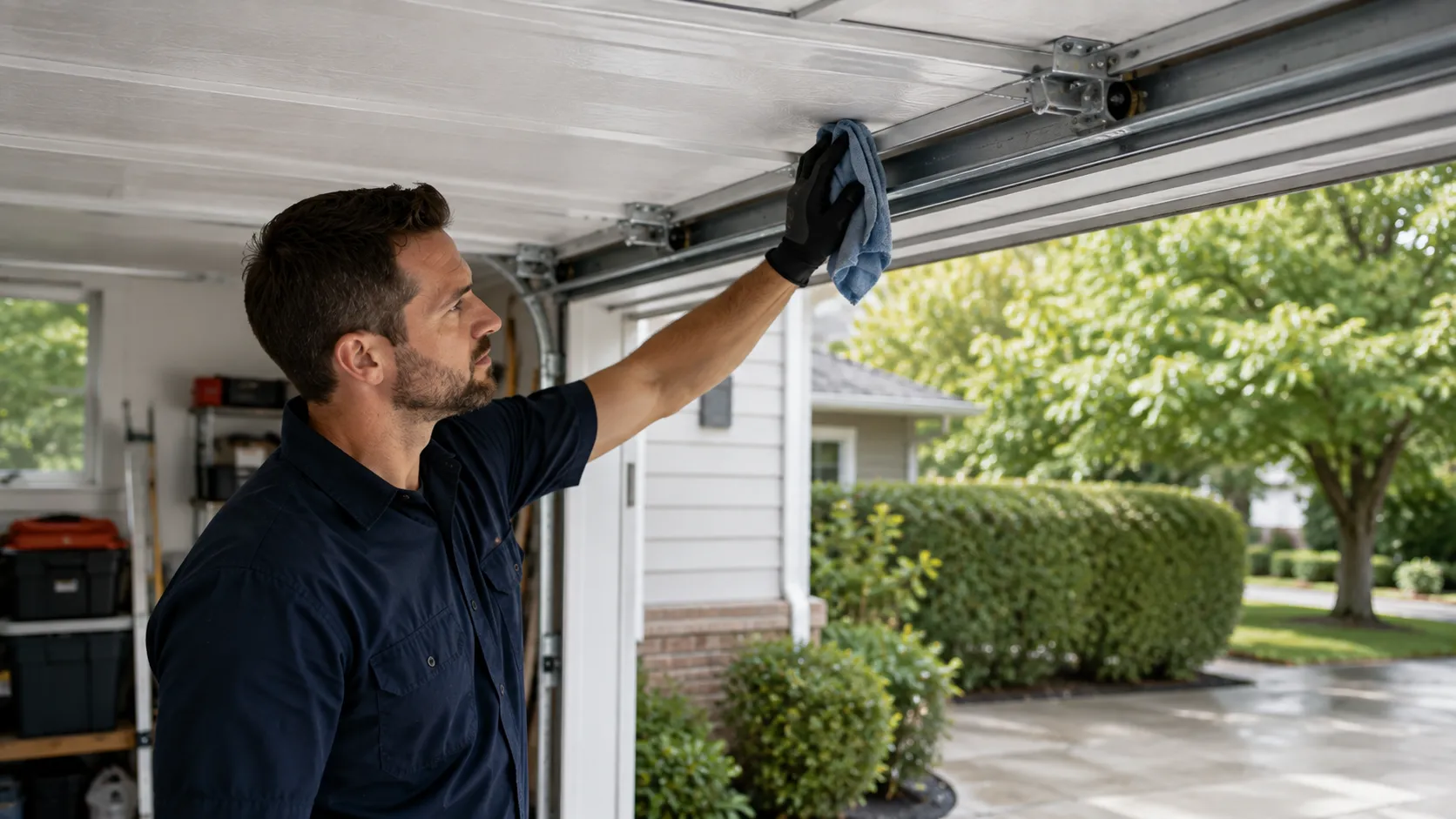
Call before the spring fully separates if you can. Warning signs include a door that slams down instead of lowering evenly, a loud bang from the garage (that's often the spring itself), or a door that takes real effort to lift by hand. In a cold-moderate climate like this one, metal fatigue accelerates on the first hard freeze of the season, which is why late fall and early winter are when this service area sees the most spring calls.
If the door won't open at all and you hear a coil hanging loose or see a gap in the spring, stop using the opener. Do not try to lift the door yourself or cut the cable. A wound torsion spring holds enough tension to injure someone who isn't trained on it.
This is one job on a garage door that we do not recommend as a homeowner project, full stop - it's not about skill, it's about the physics of stored tension in cold, brittle steel.
What Is Going On
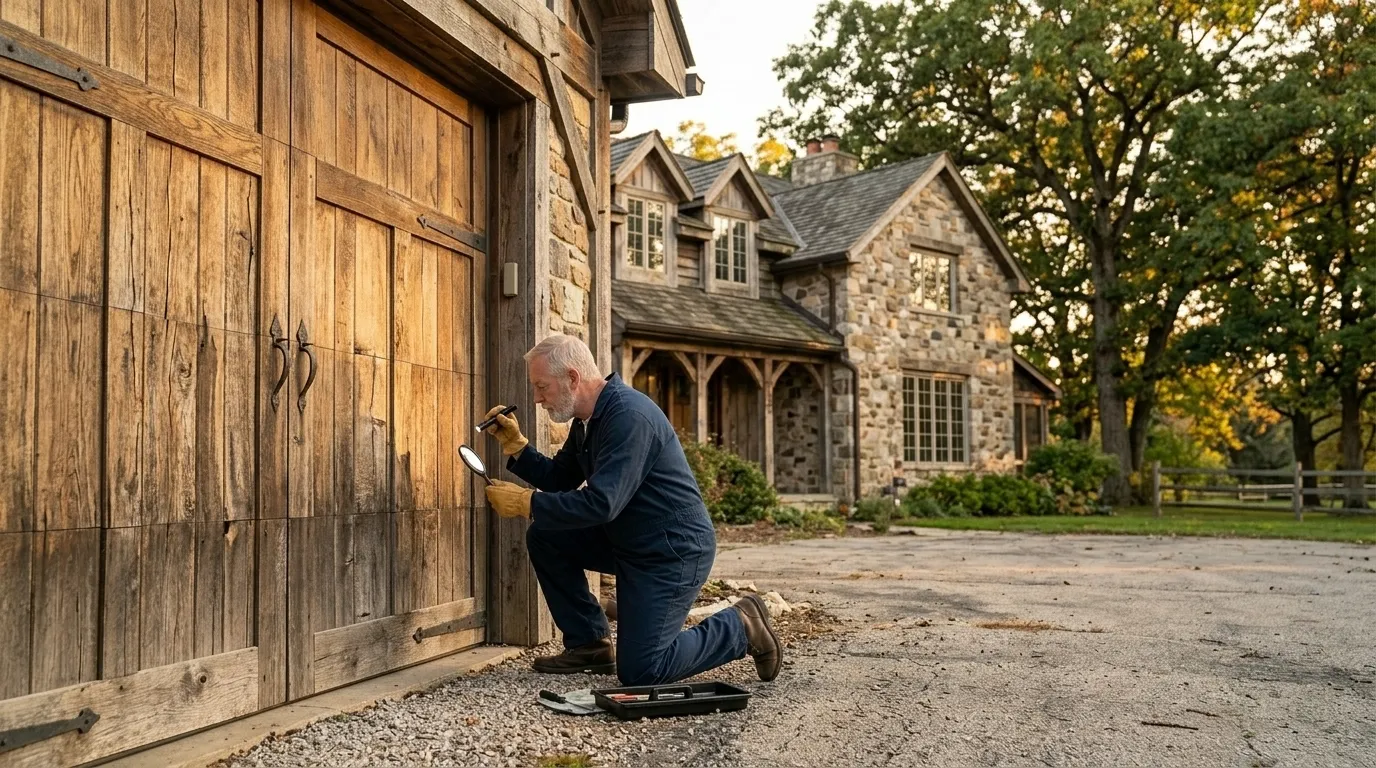
A torsion spring stores energy by twisting under load, and it releases that energy thousands of times over its life every time the door goes up and down. Cold weather makes steel less forgiving - it contracts slightly and loses some flexibility, so a spring that's already near the end of its cycle life is more likely to fracture on a cold morning than a warm afternoon. With so much of the housing stock across Southaven, Horn Lake, Hernando, and the other areas we cover dating to the 1980s and 90s, a large number of these original springs are aging into failure range right as winter cold adds extra stress.
Two springs working together is standard on most double doors from that era; when one goes, the other is usually close behind, even if it looks fine. That's why we generally replace both, not just the broken one - mismatched spring age on the same door leads to a second failure within a season more often than not.
What Local Conditions Do
Southaven sits in a cold-moderate climate band, not the deep freeze of the upper Midwest, but enough hard cold nights each winter to matter for steel components sitting in an unheated garage. That swing between mild fall days and sharp overnight cold is what fatigues a spring faster than steady temperatures would. Combine that with a service area where median household income runs around $55,611 across roughly 19,467 households, and a lot of owners here are working with older original hardware rather than upgraded high-cycle springs, simply because nobody's replaced them yet.
We don't stock every gauge and wire size on the truck for every job - some older or oversized doors need a spring we have to order, so same-day service isn't guaranteed for less common setups. What we can tell you on the phone is whether your symptoms sound like a spring on its way out versus something else.
How We Can Help
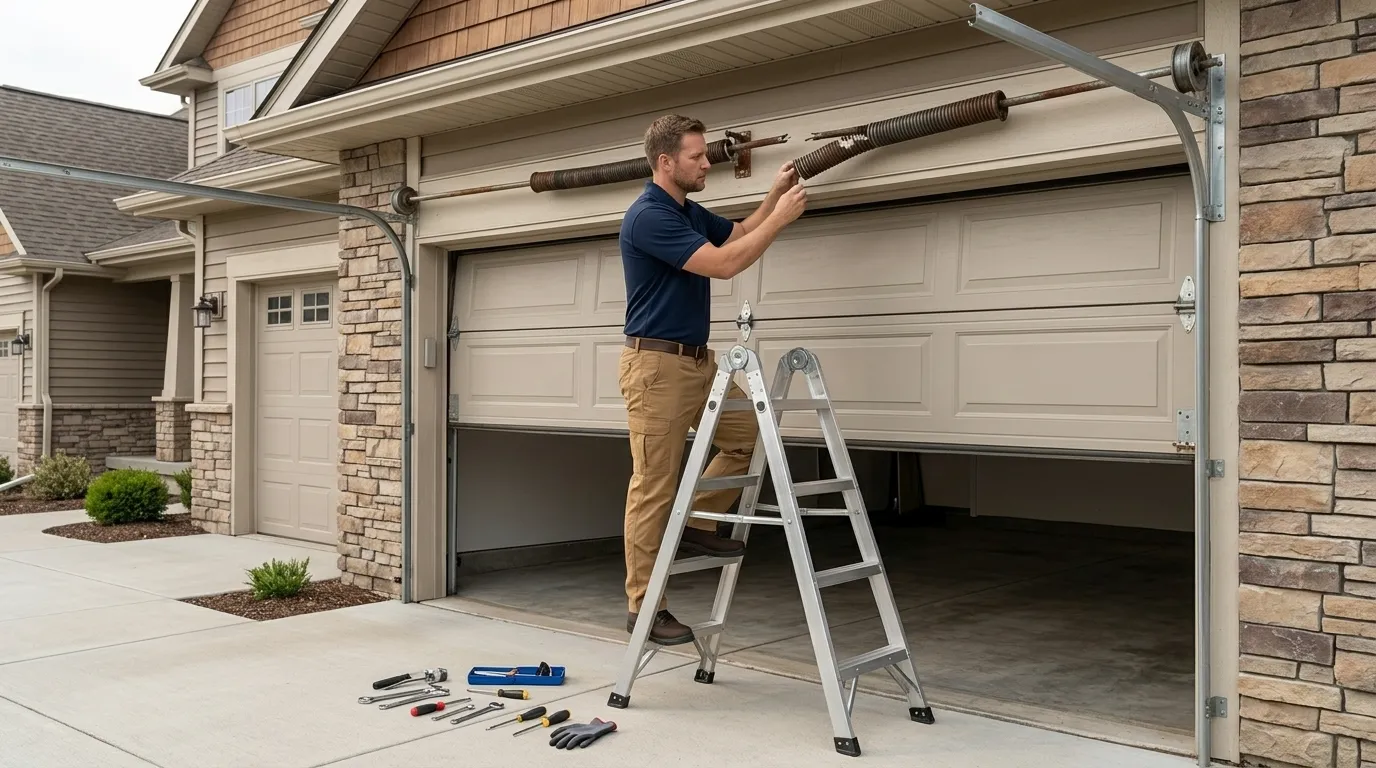
Garage Door Repair
Springs, cables, tracks, rollers, and openers fixed by a tech who explains the problem before touching anything.
Learn more →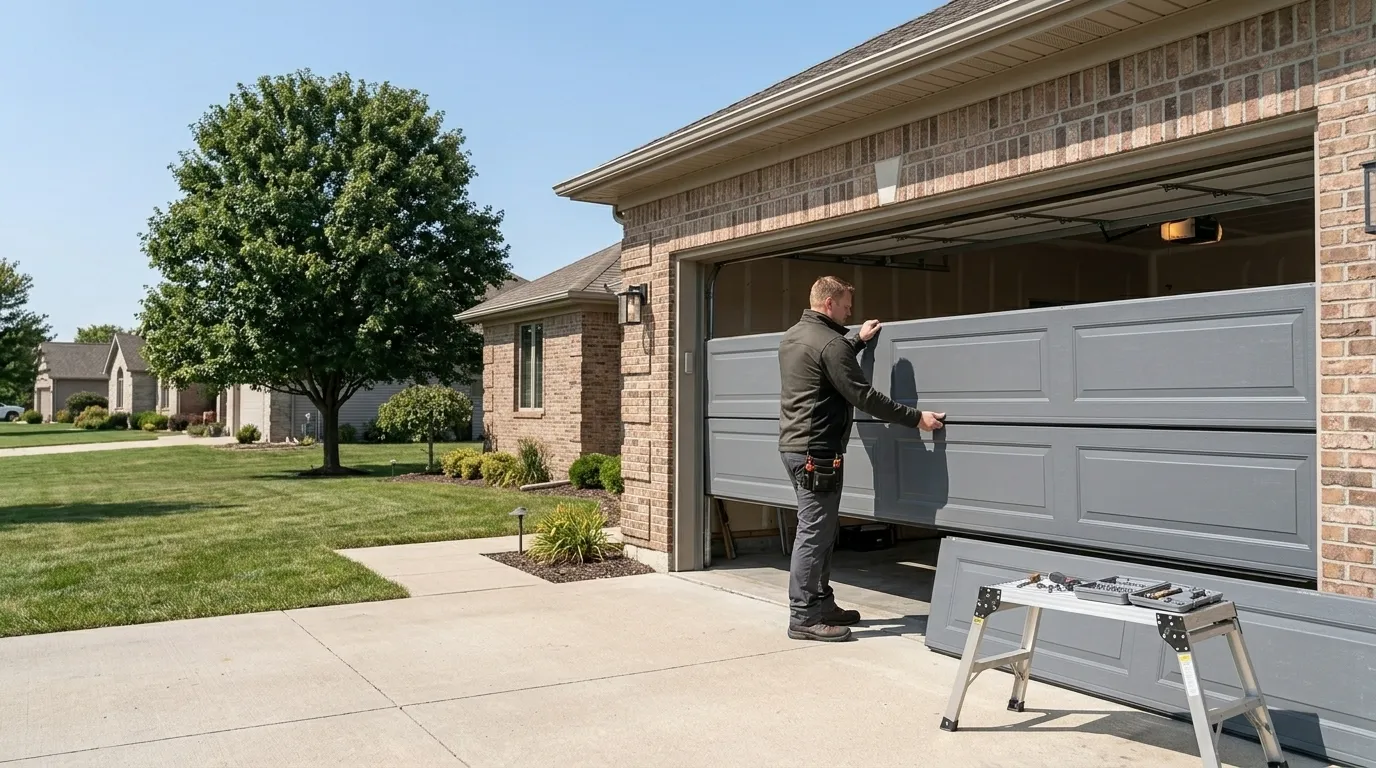
Garage Door Installation
New sectional doors sized and installed for the housing stock actually built in this area.
Learn more →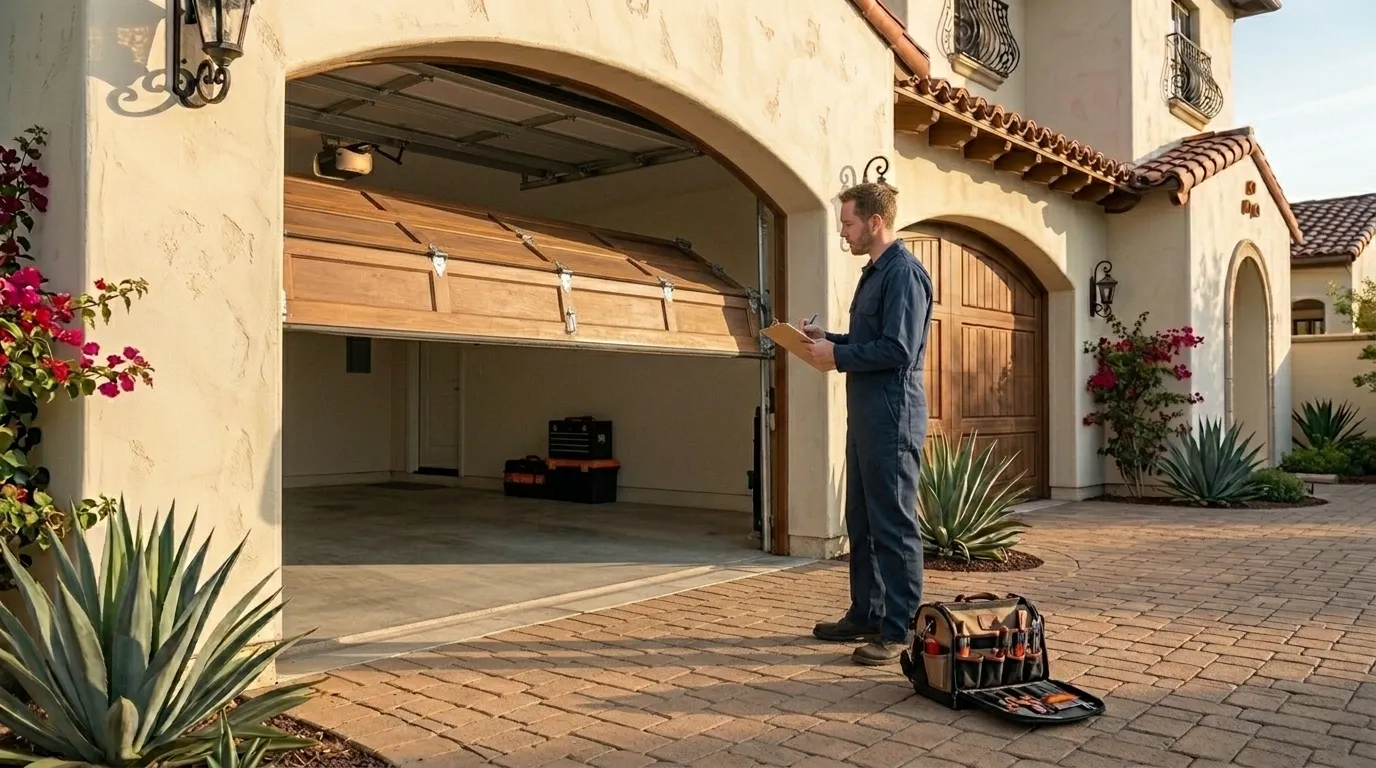
Garage Door Service
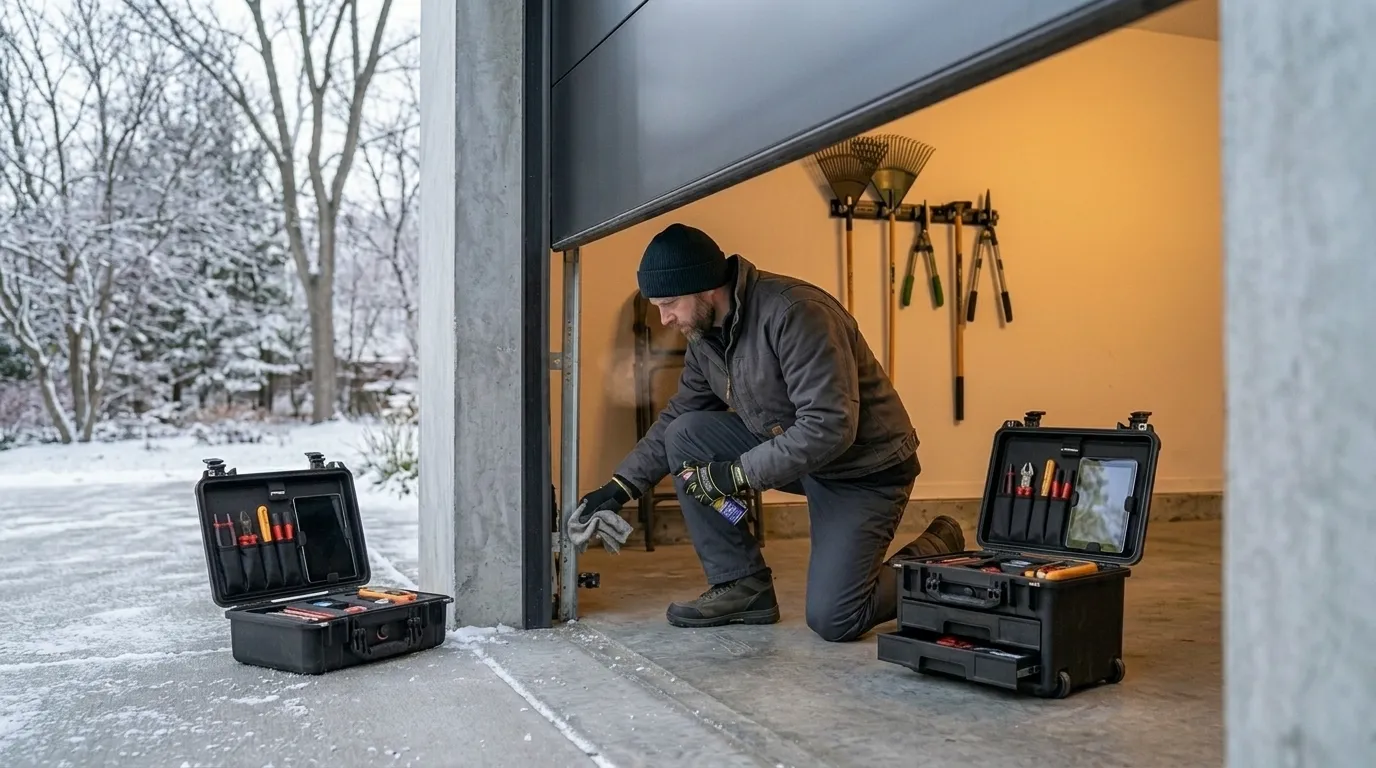
Tune-ups, lubrication, and safety checks that catch a small problem before it becomes a service call.
Learn more →Frequently Asked Questions
Why does my spring seem to break more in winter?
Cold steel is less flexible, so a spring nearing the end of its cycle life is more likely to fracture on a cold morning than in warm weather. In this cold-moderate climate, the swing between mild days and hard freezes adds extra stress right when older springs are already worn down.
My house was built in the early 1990s - is the spring probably original?
It's possible. A lot of Southaven-area housing dates to the 1980-2001 window, and many of those doors still have their original torsion springs. Age isn't the only factor, but a spring in that range is well past typical cycle life and worth having checked.
Should I replace one spring or both?
On a double-spring door, we generally recommend replacing both even if only one broke. They're usually close in age and cycle count, and a mismatched pair often means a second failure within the same season.
Can I just use the opener until I get it fixed?
No. Running the opener without spring tension strains the motor, gear set, and chain, and can bend the track. It also risks the door dropping suddenly. Treat a broken spring as a stop-using-it-now problem, not a get-to-it-later one.
Have a Door That Needs a Second Opinion?
Call and describe what it is doing - we will tell you what it likely is.