Southaven Garage Door Guide
What a Service Call Actually Covers
A straight look at what a Southaven Garage Door Pros service call actually includes, based on the 1980s-2001 housing stock and cold-moderate winters here.
- Licensed & Insured
- Same-Area Service Calls
- Upfront Pricing
What Most People Get Wrong
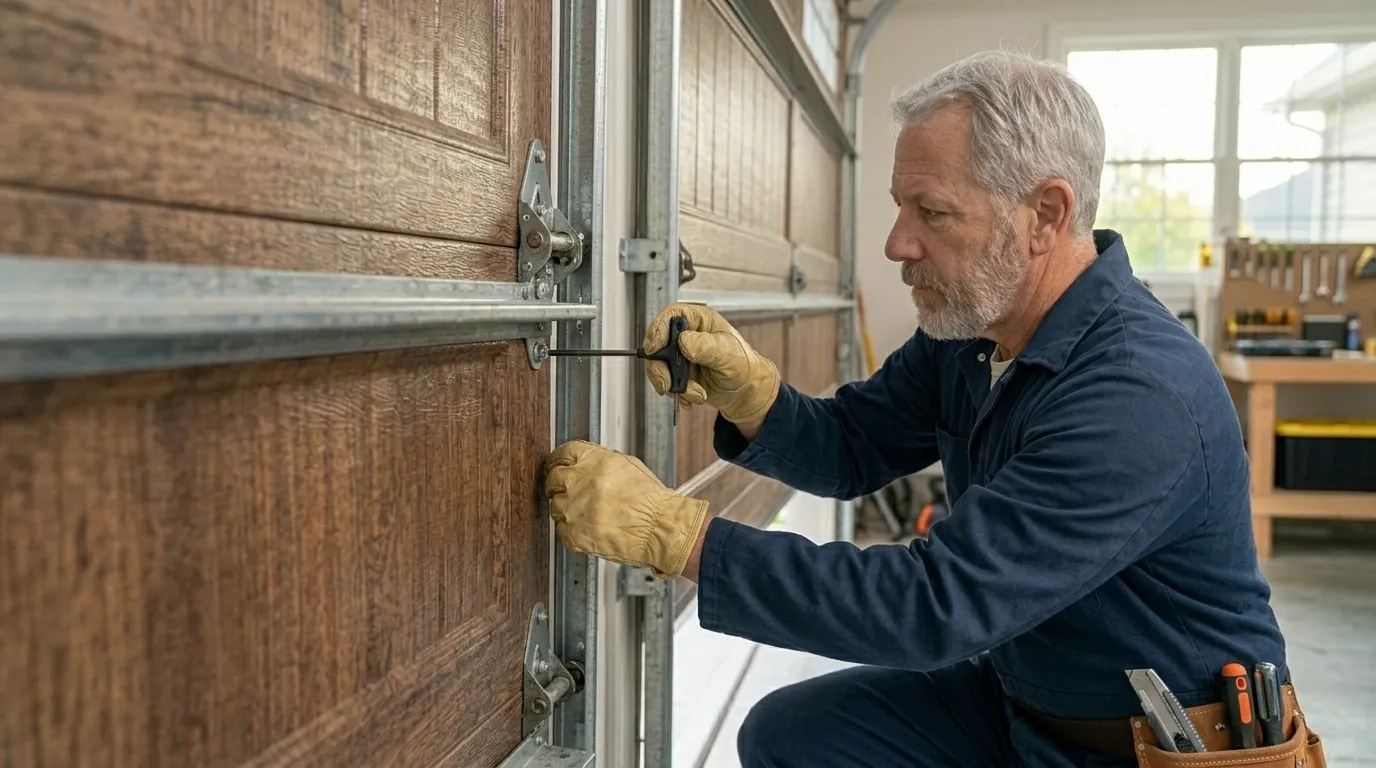
Most callers in Southaven think a "service call" means one guy shows up, looks at the door, and either fixes it on the spot or doesn't. What it actually means is a diagnostic pass on the whole system - springs, cables, rollers, track alignment, opener travel limits, and the hardware that holds it together - because on a house built between 1980 and 2001 (the era covering most of this service area, per F1/F2), those parts are all roughly the same age.
If your torsion spring is original, your rollers usually aren't far behind it. We're not upselling you when we mention the opener gear or the bottom bracket; on a door this age, one worn part is rarely the only worn part.
The other thing people get wrong is assuming a quick fix is always the cheap option. Sometimes it's the expensive one, because a bandage on a 30-year-old torsion system just moves the failure to next winter. We'll tell you which one you're looking at before we start, not after.
When to Get Help
Call before the door fails all the way, not after. A door that's noticeably heavier to lift by hand, or that shudders partway up, is usually telling you a spring is losing tension - and on original hardware from the 1980s-90s stock common across this area, that's not a maintenance issue, it's a countdown. Cold-moderate winters here stiffen grease and tighten metal tolerances, so a marginal spring or a track that's slightly out of plumb tends to show its problems in the coldest weeks, not the mild ones.
If the door reverses on its own, drifts open, or the opener strains and clicks without moving the door, stop using it and call. Those are cable and spring symptoms, and a door that's under spring tension and failing is not something to troubleshoot yourself. We won't tell you every squeak needs a truck, but a door that's changed behavior in the last month usually isn't going to un-change on its own.
What Is Going On
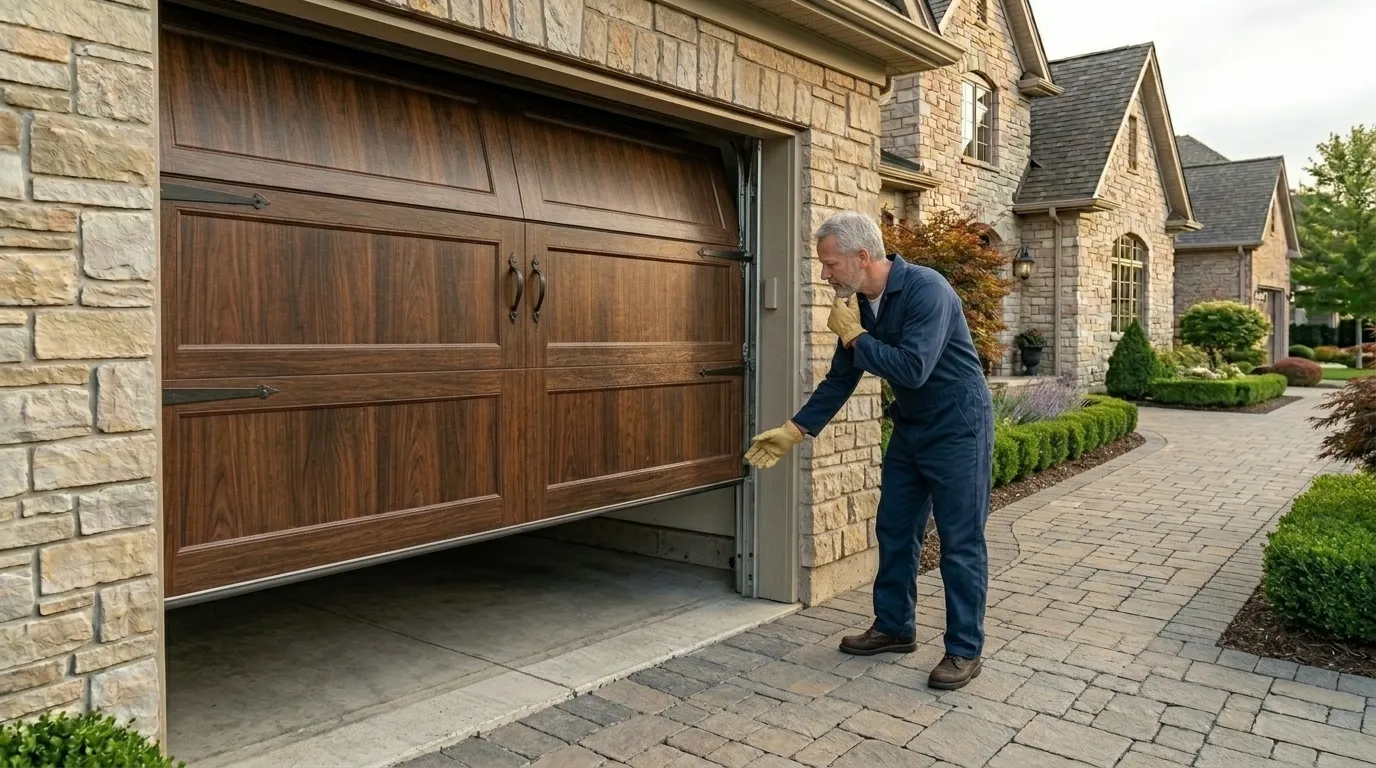
Across the service area - Horn Lake, Hernando, Lynchburg, Walls, Byhalia, Coldwater, and the Snowden District closer in - the housing base is heavily 1980s and 1990s construction, with a median build year around 1993. That means most garage doors and openers we see are either original to the house or on their second setup, and the torsion spring hardware from that era wasn't built for a 30-plus-year service life without attention. Springs are rated in cycles, and a door installed in the early '90s has likely put a few hundred thousand cycles on that spring by now.
We also see a lot of steel doors from that build era with foam backing that's degraded or delaminated, which changes how the door balances even if the spring is fine. A service call on a house from this stock usually means checking both - is it the spring losing tension, or is the door itself heavier than it was when it left the factory. Households in this area run a median income around $55,611, and we try to be upfront about whether a repair is worth doing on hardware this old versus replacing it outright.
What Local Conditions Do
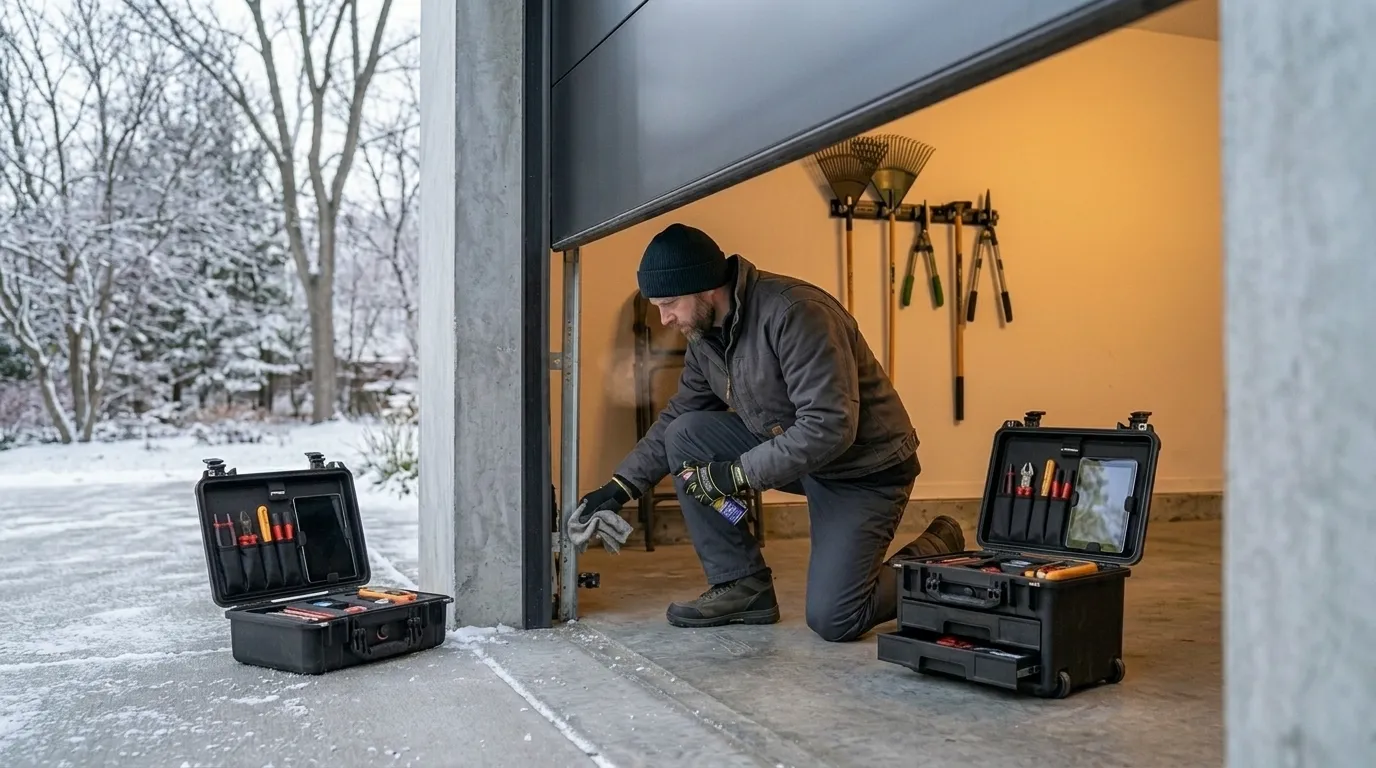
The cold-moderate climate band here doesn't produce the extreme freeze-thaw cycling of the upper Midwest, but it's enough to matter on a door with original weatherstripping. Winter mornings tighten the bottom seal and stiffen the lift cables just enough that a marginal system shows it - a door that closes fine in July can bind or drag in January on the exact same hardware. That's not damage from one cold snap; it's an existing tolerance problem that cold weather exposes.
On the roughly 11,147 owner-occupied houses across this service area, most with garages built to the same general spec from that 1980-2001 window, the pattern repeats: hardened lubricant, slightly sagging tracks from age, and springs nearing the end of their rated cycle life all get worse, not better, once temperatures drop. A service call in the colder months usually catches things a summer call would have missed, which is part of why we don't treat this as a seasonal business - the honest answer is that Southaven's winters just make existing wear more obvious, they don't create new problems out of nothing.
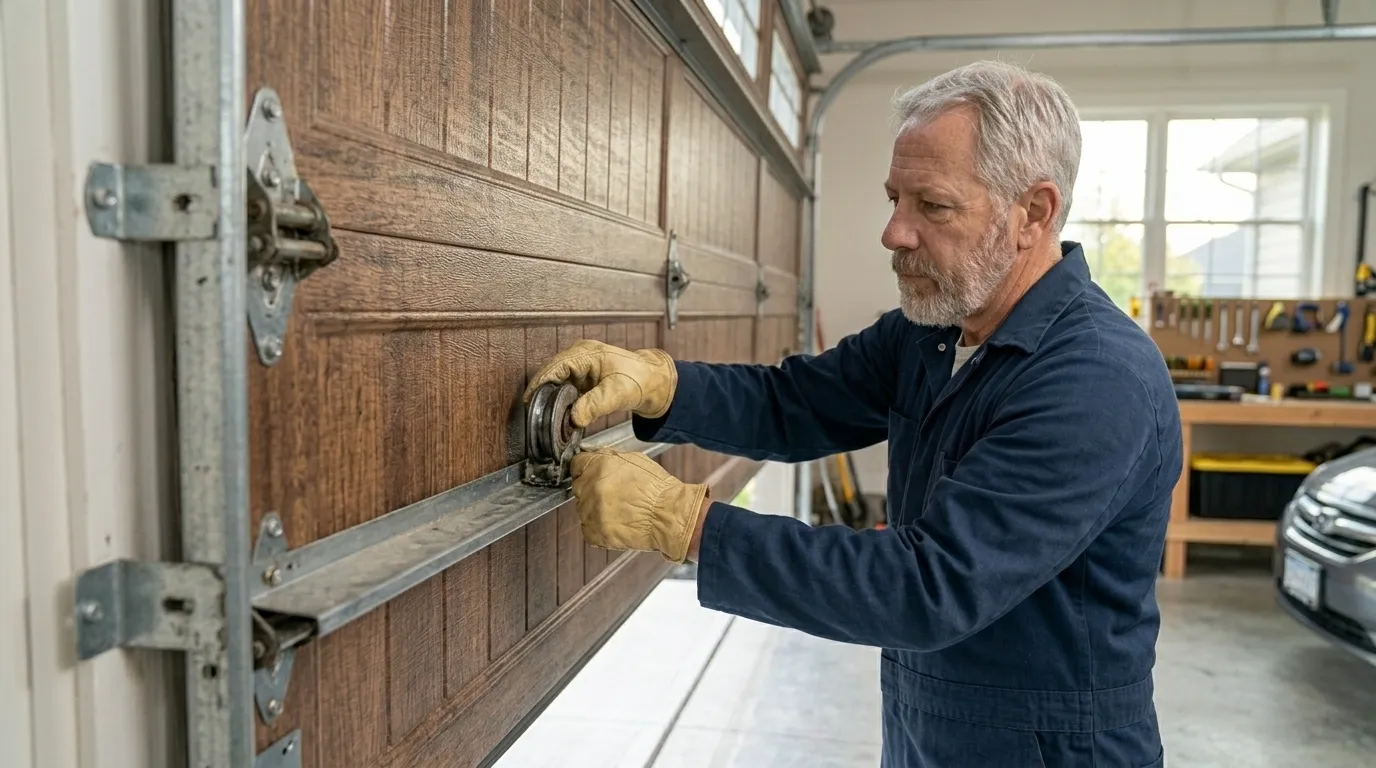
How We Can Help
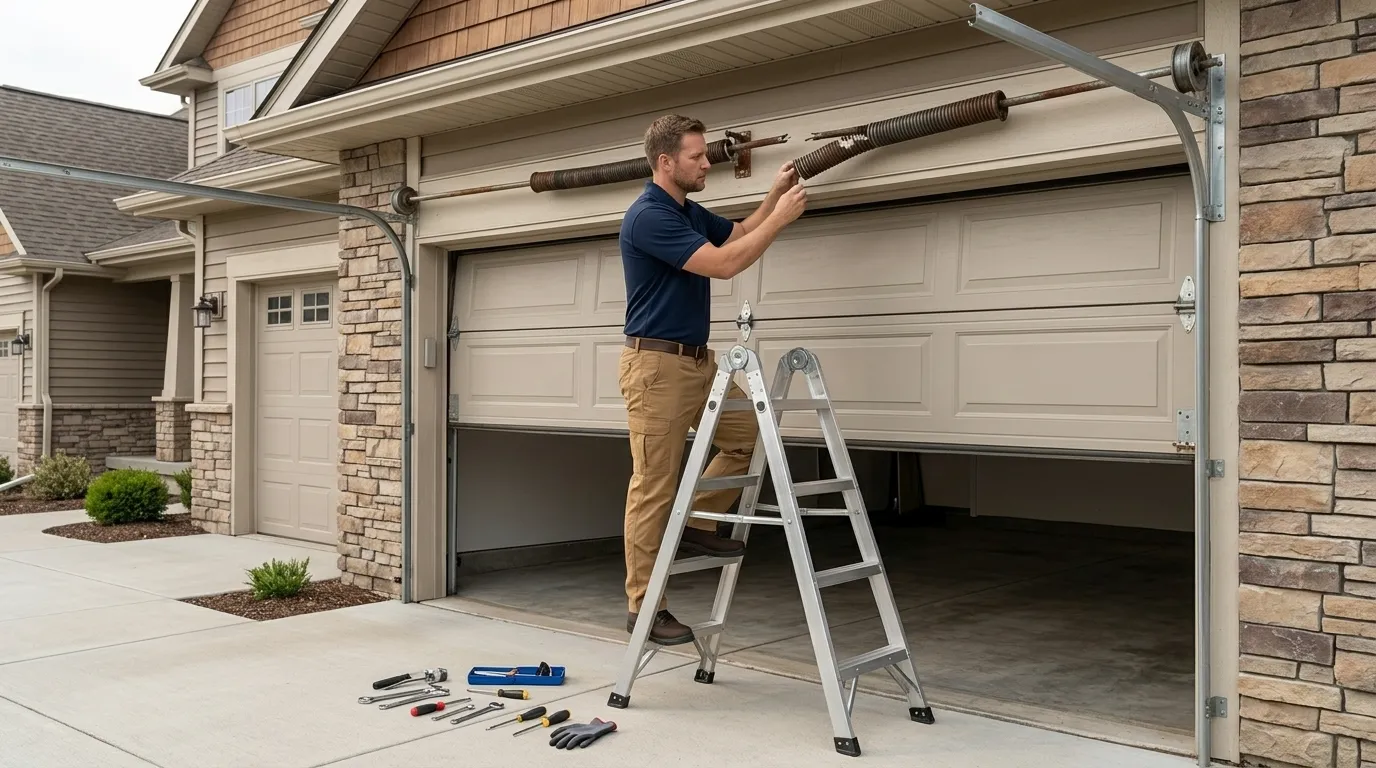
Garage Door Repair
Springs, cables, tracks, rollers, and openers fixed by a tech who explains the problem before touching anything.
Learn more →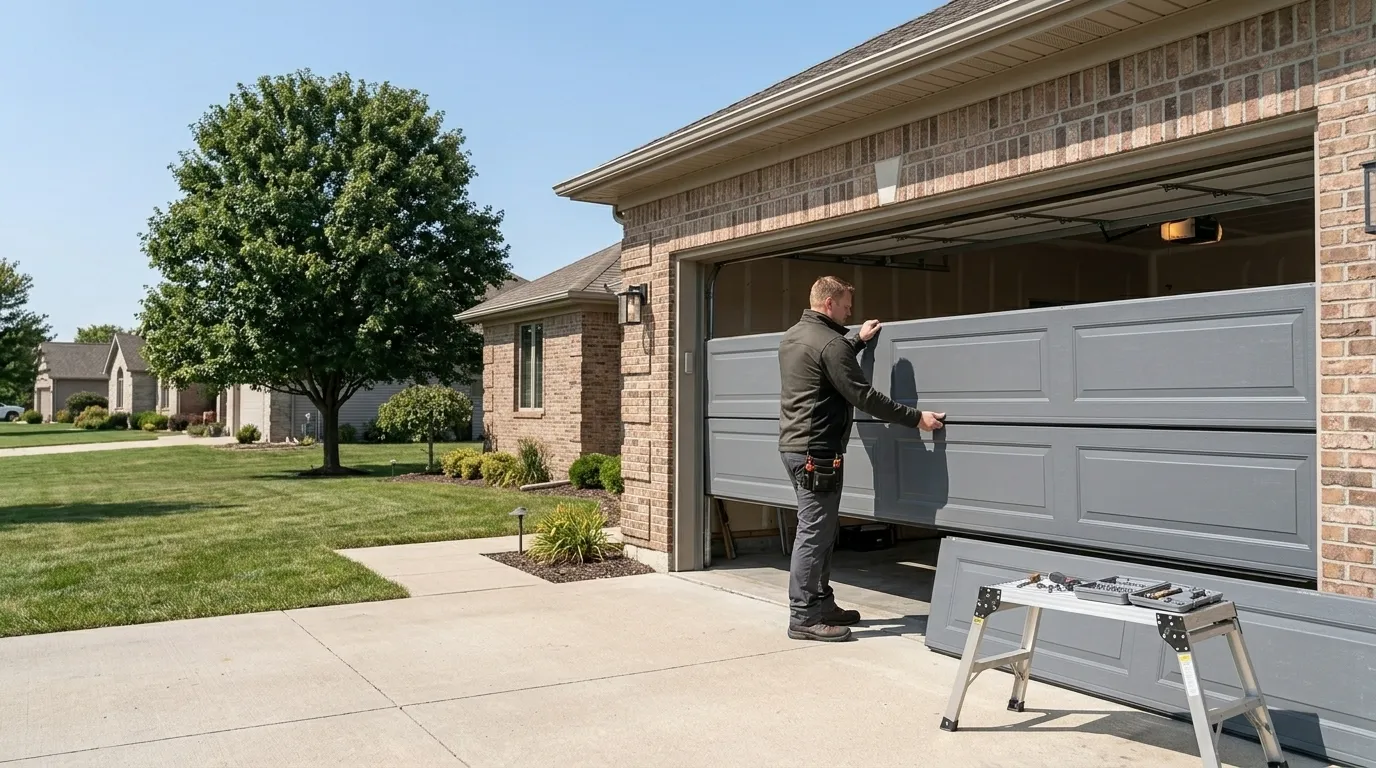
Garage Door Installation
New sectional doors sized and installed for the housing stock actually built in this area.
Learn more →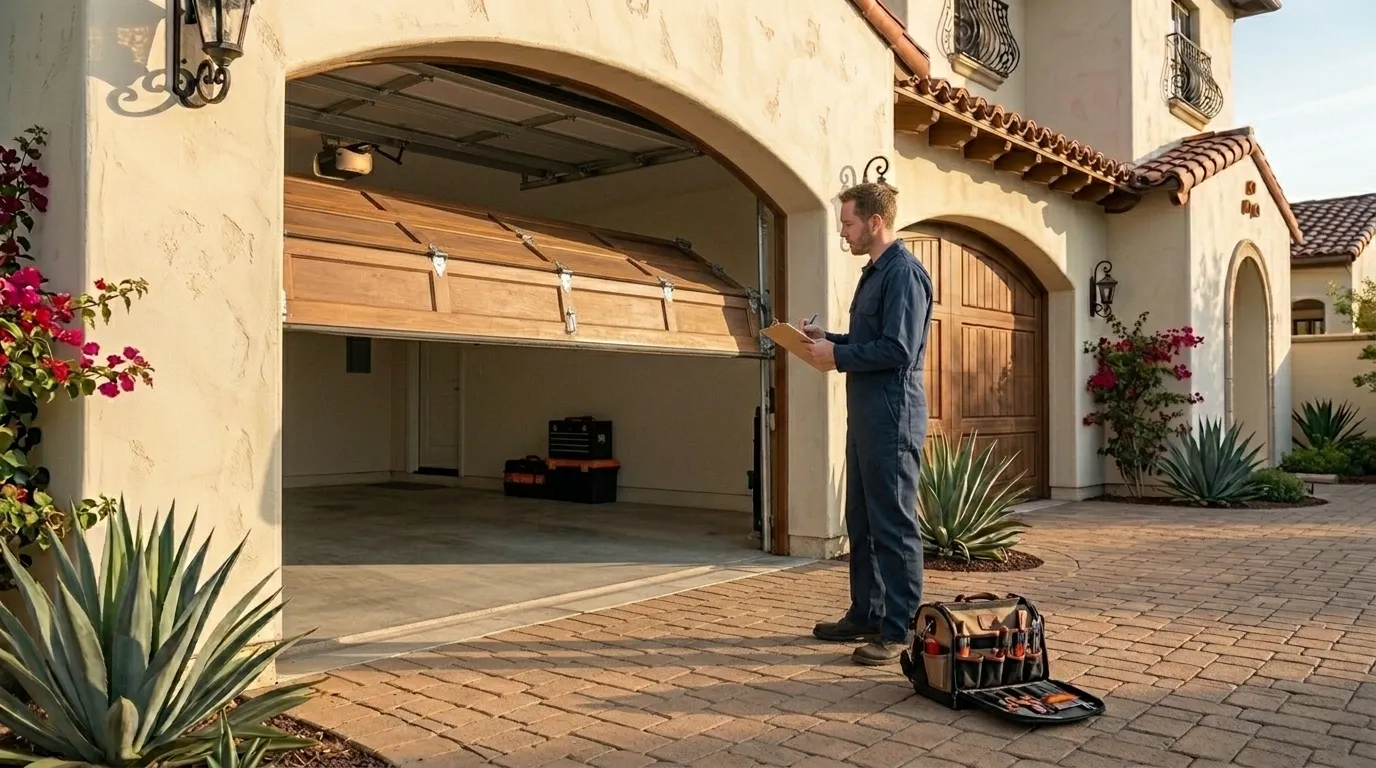
Garage Door Service
Tune-ups, lubrication, and safety checks that catch a small problem before it becomes a service call.
Learn more →Frequently Asked Questions
Does a service call always mean I need a new spring?
No. A service call is diagnostic first - we check the spring, cables, track, and opener before recommending anything. On a lot of the 1980s-90s doors common in this area, the spring is the problem, but sometimes it's a bent track or a worn roller instead. We tell you what we find, not just what's easiest to sell.
Why does my door get harder to open in winter?
Cold-moderate winters here stiffen grease and tighten cable tension slightly, which exposes a spring or track that was already marginal. It's usually not new damage - it's an existing wear issue that cold weather makes obvious. That's more common on original hardware from houses built before 2001.
Is it worth repairing an original door from the 1990s?
Sometimes, sometimes not. If the door panel and track are sound, a spring or opener repair usually makes sense. If the door itself has degraded foam backing or a sagging frame, replacement can be the better value long-term. We'll say which one applies before we start work, not after.
How do I know if it's a spring problem or something else?
A door that's suddenly heavier to lift by hand, or shudders partway through its travel, points to a spring losing tension. A door that drifts, reverses on its own, or binds to one side usually points to cables or track alignment instead. Either way, stop operating it and get it looked at.
Have a Door That Needs a Second Opinion?
Call and describe what it is doing - we will tell you what it likely is.