
Service
Garage Door Roller Replacement for Southaven Homes
Southaven homes built in the 1980s and 90s are hitting original-roller age. Here's what roller replacement runs, what causes it, and what to expect.
- Licensed & Insured
- Same-Area Service Calls
- Upfront Pricing
What Happens When You Call
-
1
Call or Request a Quote
Tell us what the door is doing and roughly how old the house is - that alone points us toward the likely part before a truck leaves.
-
2
On-Site Diagnosis
A tech checks the spring, cables, tracks, and opener in person and tells you plainly what is actually wrong.
-
3
Straight Price, No Surprises
You get a number before any work starts. It covers parts and labor, nothing added after the fact.
-
4
Fixed the Same Visit
Most repairs are done in one trip. If a part needs sourcing, we tell you that upfront instead of guessing.
What It Costs
Roller replacement cost comes down to two things: how many rollers you need and whether you want steel or nylon. A full set swap on a double door is a different job than swapping the two or three that are actually grinding. Nylon rollers with sealed bearings run quieter and don't need the yearly grease that steel rollers demand, which matters if your door sits close to a bedroom wall - common in the ranch and split-level layouts built across this area between 1980 and 2001.
We don't quote a number here because it depends on what's on your track when we open the panel up. What we can tell you: this is one of the cheaper garage door repairs there is, and it's rarely worth putting off, because a cracked roller wears the track faster than a good one does, and track damage is a bigger bill than rollers ever are. If your opener is straining or the door is binding on one side, that's often a roller problem wearing a bigger name.
How Long You Are Without the Door
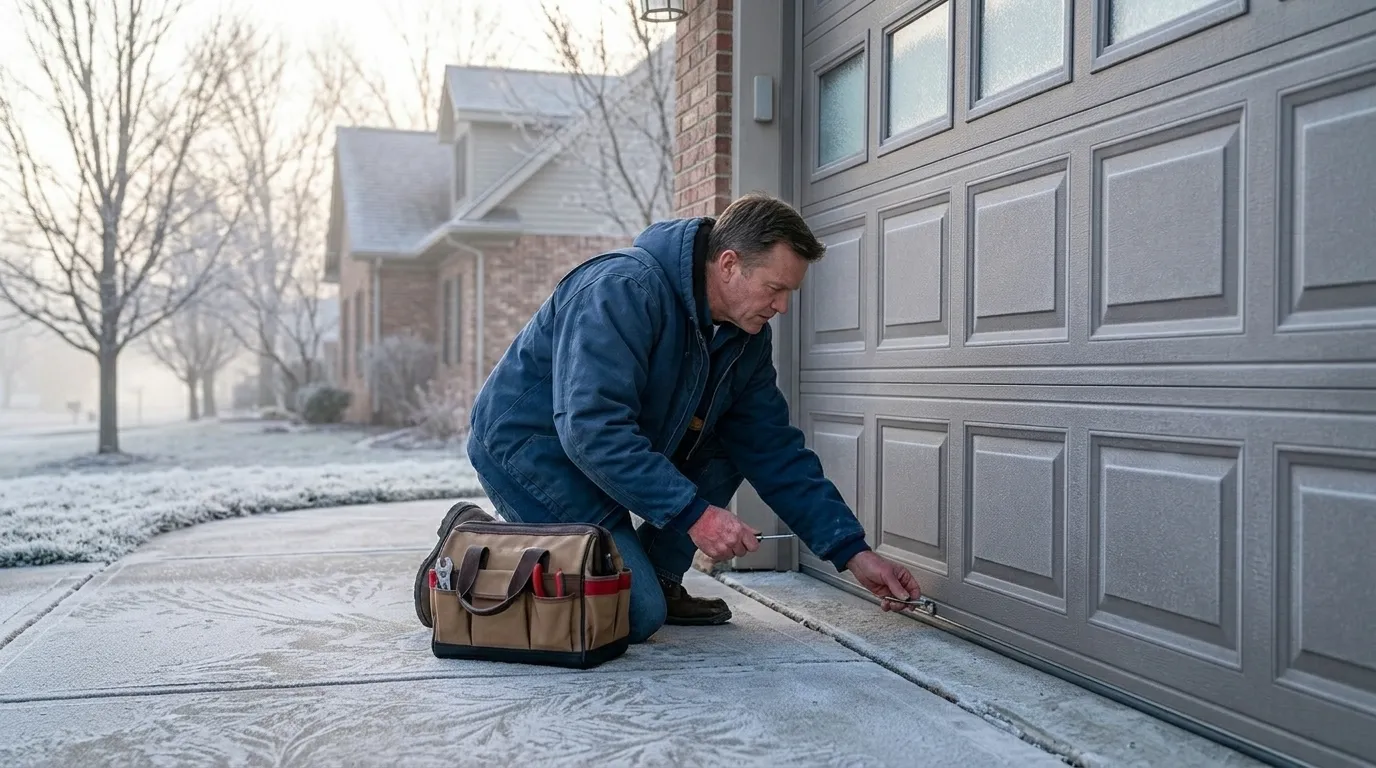
Most roller jobs don't take the door out of service at all - we do them one side at a time so the door still opens and closes while we work the other side. A full-set replacement on both tracks means the door is down for the stretch of the visit, not overnight. We carry common roller sizes on the truck, so this isn't usually a job where we have to come back with a part.
Where it gets slower is if the rollers have already chewed up the track itself - steel track bent or grooved from years of a bad roller riding sideways in it. That's a track repair on top of the roller swap, and it adds time because we're straightening or replacing hardware, not just popping rollers in and out. Original 1980s and 90s track sections, common on houses across this service area, are more prone to this because the gauge of steel used back then wears faster under a rough roller than what's installed new today.
What Causes It Around Here
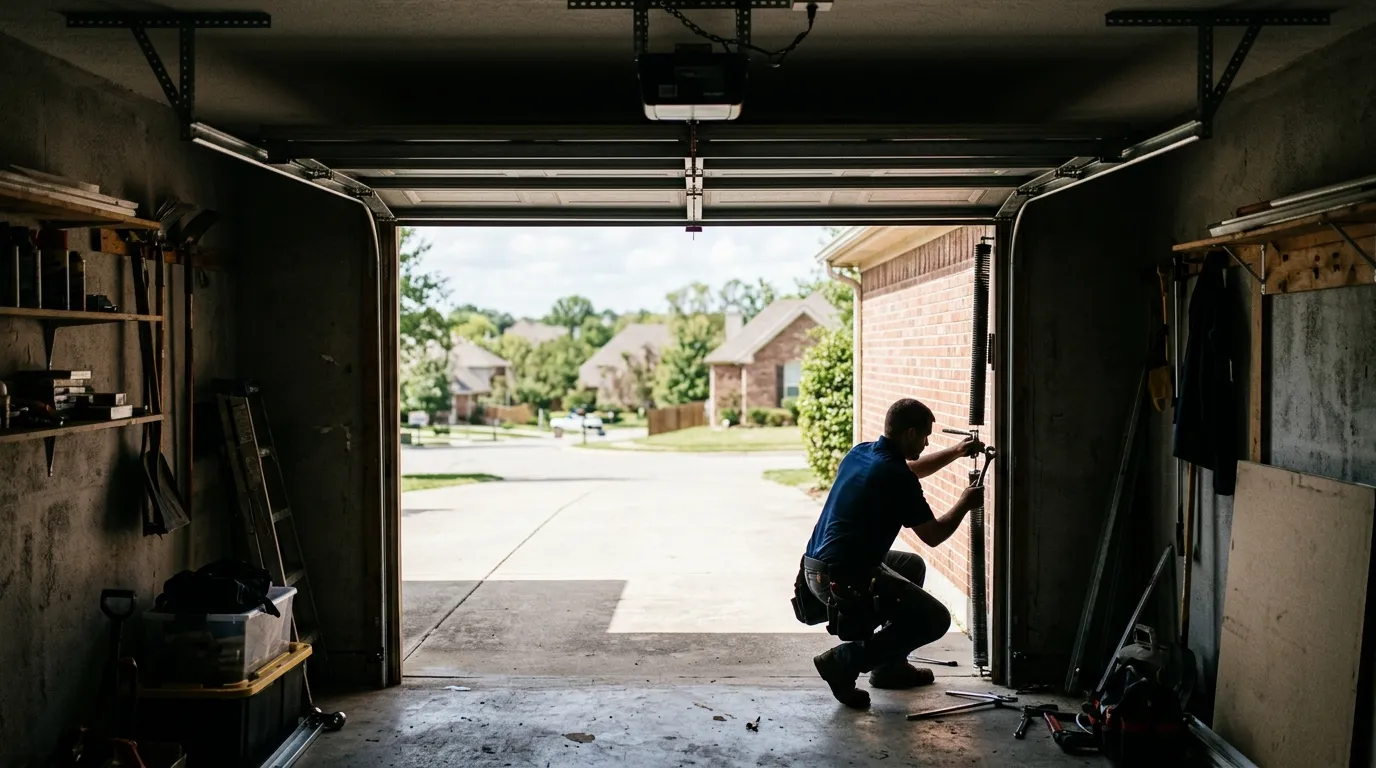
Southaven sits in a moderate cold climate band, and that matters for rollers more than most homeowners expect. Steel rollers with open bearings lose their lubrication in cold snaps, and the grease that's supposed to cushion metal-on-metal contact stiffens up right when the door gets used most - early mornings, late nights, temperature swings between seasons. Nylon rollers don't corrode the same way, but even sealed bearings dry out over fifteen to twenty years, and a lot of the housing stock in this service area was built between 1980 and 2001, with 1993 sitting right in the middle.
That means a big share of the roughly 11,147 owner-occupied houses across the area are old enough that their original rollers are past due, whether the door itself has ever been touched or not. Doors that see daily use - two cars, kids, a workshop - wear rollers faster than doors that mostly sit closed, but age and cold do most of the damage on their own, independent of how often the door runs.
How It Shows Up
A bad roller almost never fails all at once. It starts as a squeak on one side, then a shudder you feel through the door as it passes a certain spot on the track - usually where the roller has flattened or cracked. Steel rollers tend to announce themselves with noise first; nylon rollers tend to go quiet and just start binding, catching slightly on the way up.
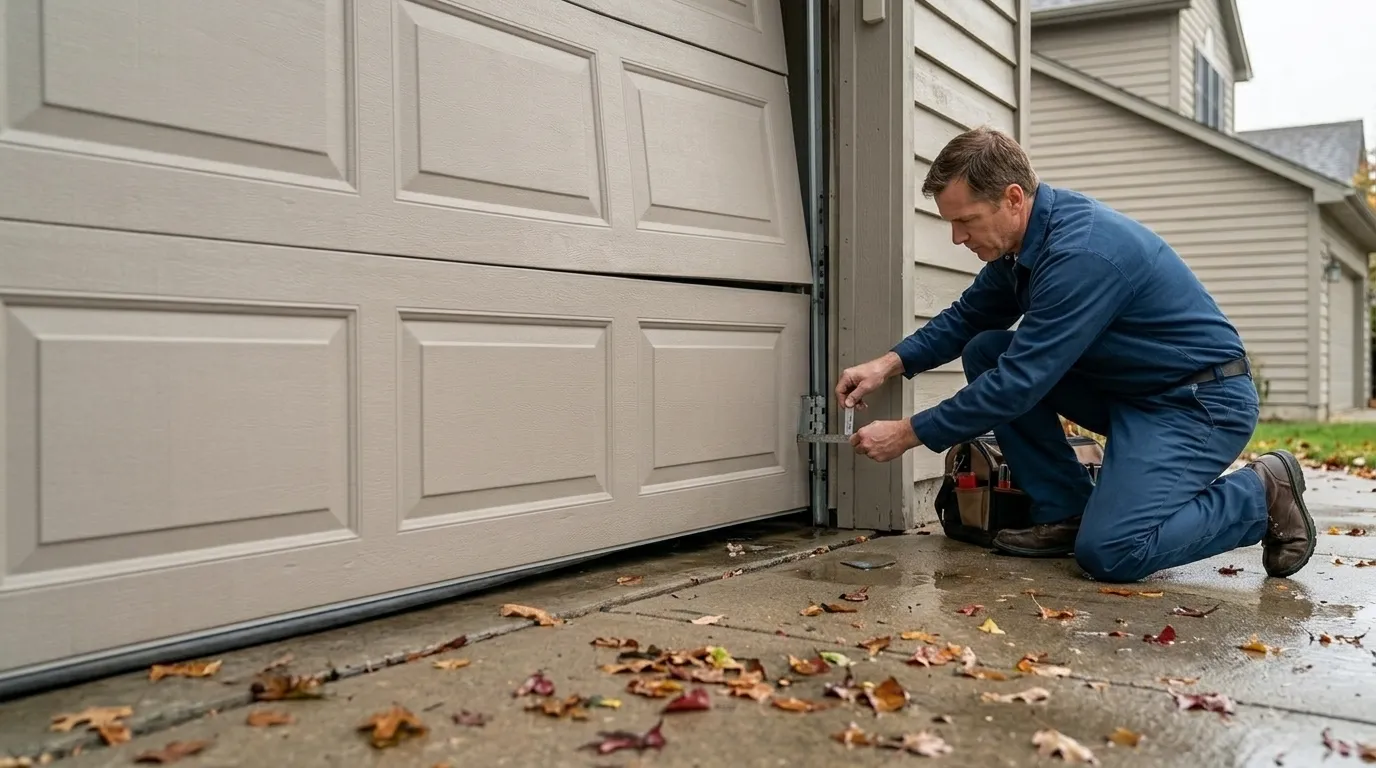
If you see a roller that's visibly split, or one where the wheel has separated from the stem, stop running the door on the opener until it's looked at - a roller that comes off the track fully can drop a door out of its guides. We see this pattern most in houses from the 1980s and 90s stock that make up most of this area, where the original hardware never got swapped when the door or opener did.
Talk to a Technician Before You Book
Describe what the door is doing and get a straight answer on what it likely needs.
Jobs Like Yours
Recent work from this service line.
Why Southaven Calls Us
Frequently Asked Questions
How do I know if it's the rollers and not the springs?
Springs usually show up as a door that's heavy to lift by hand or an opener straining on the way up. Rollers show up as noise or a shudder at a specific point on the track, often on one side more than the other. If the door is quiet to lift but rough to run, it's almost always rollers or track, not springs.
Should I replace all the rollers or just the bad ones?
If the door is original to a house built in the 1980s or 90s, we usually replace the full set - the ones that look fine are close behind the ones that failed. If the door and hardware are newer, replacing just the worn rollers is reasonable.
Do nylon rollers really last longer than steel in this climate?
Nylon rollers with sealed bearings hold up better through the cold swings we get here because they don't rely on grease staying soft to work. Steel rollers are cheaper up front but need more upkeep and tend to fail sooner in a moderate cold climate like this one.
Can a bad roller damage my track?
Yes. A cracked or flat-spotted roller rides unevenly and can groove or bend the track over time, especially steel track from older construction. Catching it early, before the roller comes apart, is what keeps a small roller job from turning into a track repair.
Need Garage Door Roller Replacement for Southaven Homes?
Call now for straight answers on cost and timing.